For nearly an hour I watched the hawk unmake and consume the dove. It first plucked the breast, pulling beakfuls of feathers from the soft body with quick snaps of its head. Puckered yellow skin appeared on the dove’s breast. Then the hawk readjusted the body and ate the dove’s face.
I’ve seen accipiters hunt in the backyard before—Cooper’s hawks and sharp-shinned hawks. The juveniles are a riot. They flap around almost frantically, chasing birds and squirrels back and forth across the yard with a relentless excitement. But this is immature chasing, not mature hunting, more like a game of tag than the reality of predator and prey.
I have no access to the avian brain, but it’s clear to me that what an adult accipiter on the hunt knows that a youngster doesn’t is stillness. Young hawks chase and play. Adult hawks wait and watch. It looks something like this: juncos, chickadees, and cardinals cloud the backyard feeders, quickly darting in from the surrounding brush to nab a sunflower seed before zipping back to cover. An adult Cooper’s hawk appears and the feeder birds scatter. The hawk perches on a tree branch along the edge of the yard. Within minutes the feeder birds begin to return, cautiously at first, but soon they apparently forget the threat. The hawk waits. Eventually a bird flies too close, and the hawk explodes into flight. Stillness becomes speed, pursuit, and sometimes a meal.
Of the half-dozen accipiters I’ve seen kill another bird on the wing in my backyard, every one has been an adult attacking from a state of stillness.
ALL OF MY HUNTING MEMORIES hinge on watching, listening, and being still. This typically occurred deep in the woods, after a long stretch of walking. I didn’t learn that hunters bait deer until I moved to Michigan as an adult. I hadn’t heard of blinds or tree stands—not that I have anything against that Midwestern version of hunting. It just wasn’t part of my Western tradition.
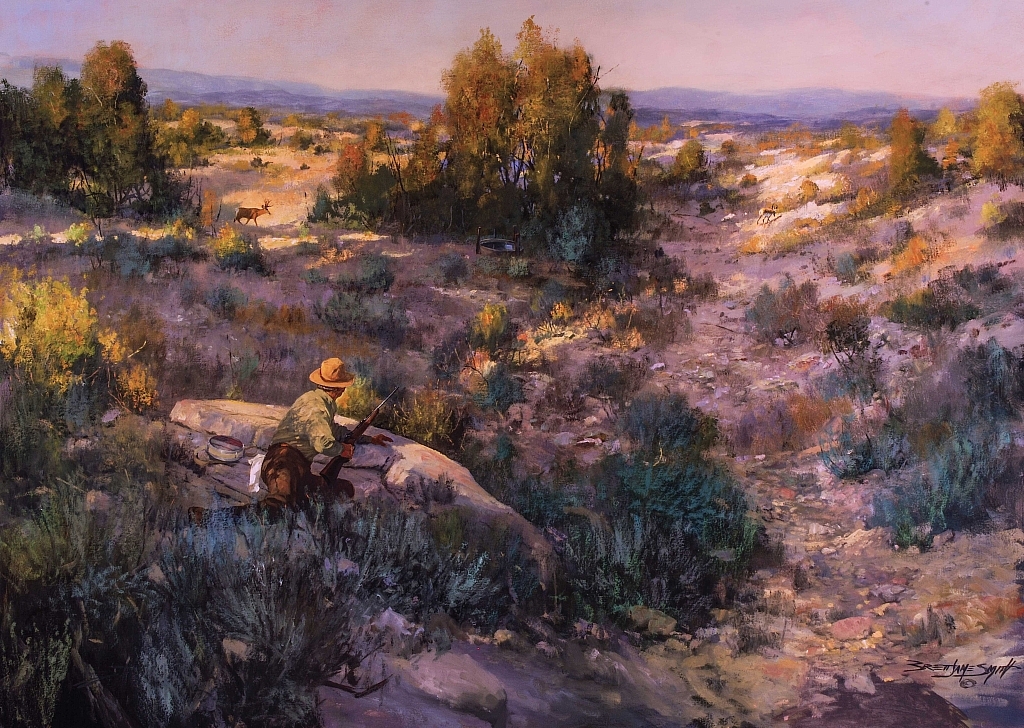
Hunting for us always involved a set of skills and strategies I only later learned had a name: still hunting. We walked as quietly as possible through the woods, often following game trails, until eventually ending up at a promising draw or opening—just as we did the morning Dad shot his big pronghorn—where we’d sit on the ground or a stump and be still. When I think about it, our approach to hunting wasn’t much different from the Cooper’s hawk’s in my backyard. The idea was to avoid being seen or heard, and to let the game come to us. Every deer I’ve killed didn’t know I was there until it felt the slug and heard the shot.
When you’re still, you notice, you pay attention, the invisible becomes visible, discrete objects take shape, reveal themselves; eventually you begin to discern the relationships among those seemingly discrete objects. From stillness comes watchfulness, attentiveness and, ultimately, deliberateness. Unlike merely killing, hunting isn’t a game, and it isn’t play. It’s an activity of the mind as well as of the body. Sitting alone on a log, waiting to hear the sharp snap of a twig or to see an animal form itself from a backdrop of trees, it’s impossible not to think.
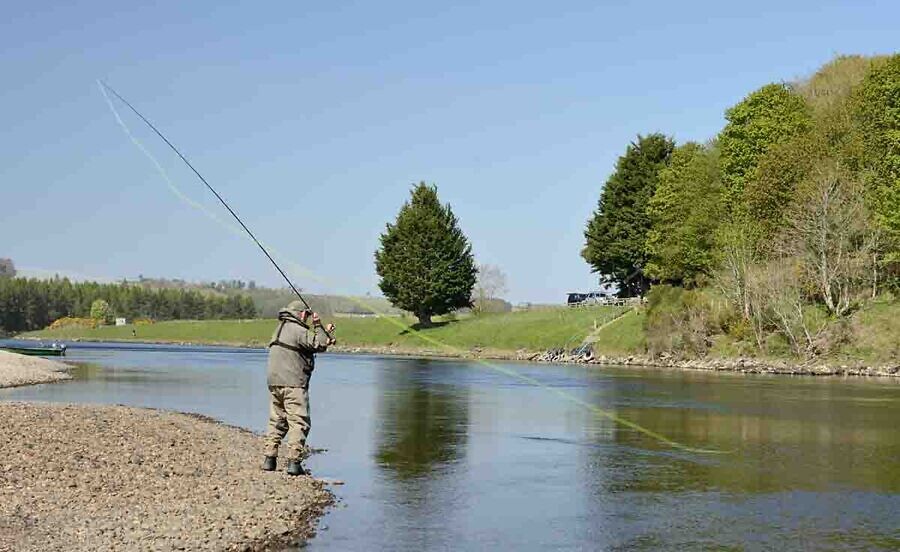
Henry David Thoreau understood this as well as anyone. It’s no surprise that one of the most definitive American endorsements of hunting should come from the American writer made famous for going to a place, Walden Pond, and spending so much of his time there being still. In Walden, Thoreau describes being asked by his friends whether or not they should allow their sons to roam the woods hunting. He answers with a resounding yes. A boy not allowed to hunt, he says, is a boy whose “education has been sadly neglected.” Thoreau believed that hunting is the educational precursor to poetry, philosophy, science, and natural history precisely because it trains the body and mind to see and think and act with deliberateness. Hunting, Thoreau believed, cultivated good habits—of body and spirit, yes, but also of mind. And although Thoreau eventually set aside his gun in favor of a fishing rod, he never stopped thinking about what hunting is and why it matters.
I guess that’s really what I’m after here: Why does hunting matter? A significant part of me wants to say that, at least from a personal perspective, the answer has everything to do with what I do for a living. I’m a teacher. I read books, lots of books. I talk with students. I write. The primary subject I teach and talk and write about is environmental literature. This means I spend lots of time reading and thinking about people who spend much of their time outdoors, living their lives, doing their work, enjoying themselves, and reflecting on their relationship with “the environment”—that is, with woods, fields, rivers, mountains, high desert sagebrush flats: all the places that deer and pronghorn and moose and elk live and thrive and die.