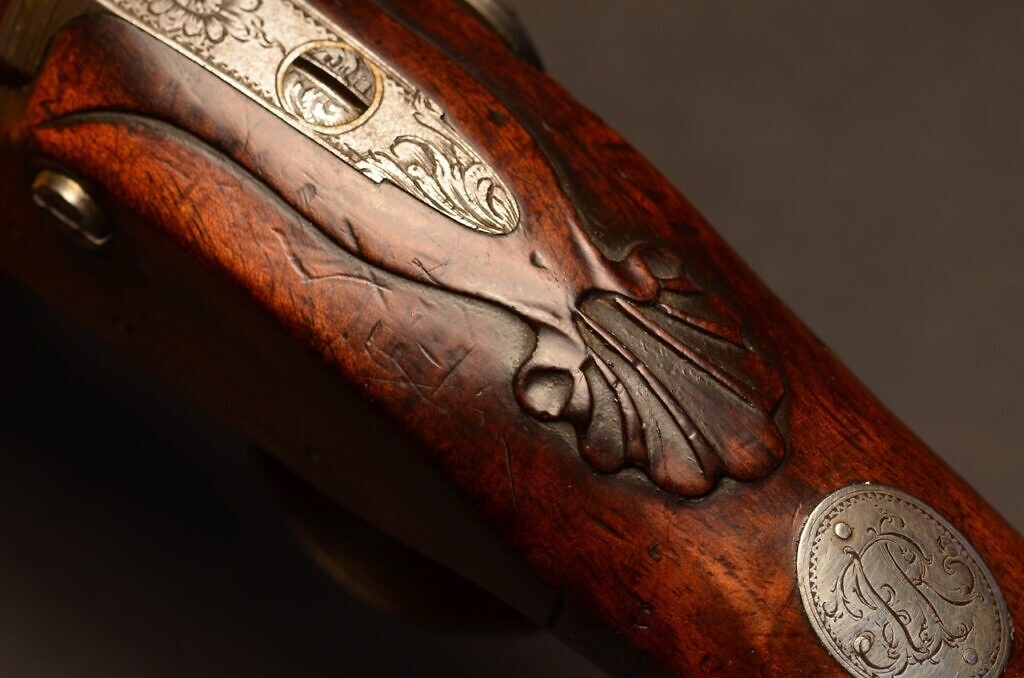
Awa’ wi’ the noo
by Terry Wieland
Sometime way back when, in the early 1950s, J.K. Stanford ventured down to Cornwall to visit an estate renowned for its woodcock.
Lanarth was the property of a friend of a friend, and Stanford wanted to see it because it clung to its own arcane traditions, the origins of which were long since forgotten, but which its owner, Michael Williams, maintained with a ferocity that would do credit to a conclave of cardinals.
Williams drew his neighbors into it as well, along with a street gang of over-caffeinated spaniels who remembered well the origins of “cocker” and, in search of woodcock, squirmed and wriggled their way into and out of briar tangles worthy of Br’er Rabbit.
Stanford had heard much about this fabled land where the woodcock packed like grouse and was eager to write about it for The Field. That august publication even assigned its staff photographer, Leslie Thompson, equipped with a Speed Graphic, to get photographs. Anyone familiar with both woodcock and Speed Graphics will readily appreciate how difficult this assignment was, and the wonder is that the photog (as we called them in the good old days) got any pictures at all.
At any rate, Stanford and Thompson went down by train and were met at the station by a tall man “in a brown billycock hat.” Brown billycocks (bowlers to Brits, derbies to colonials) were long out of fashion even then, which pretty much told the pair what to expect.
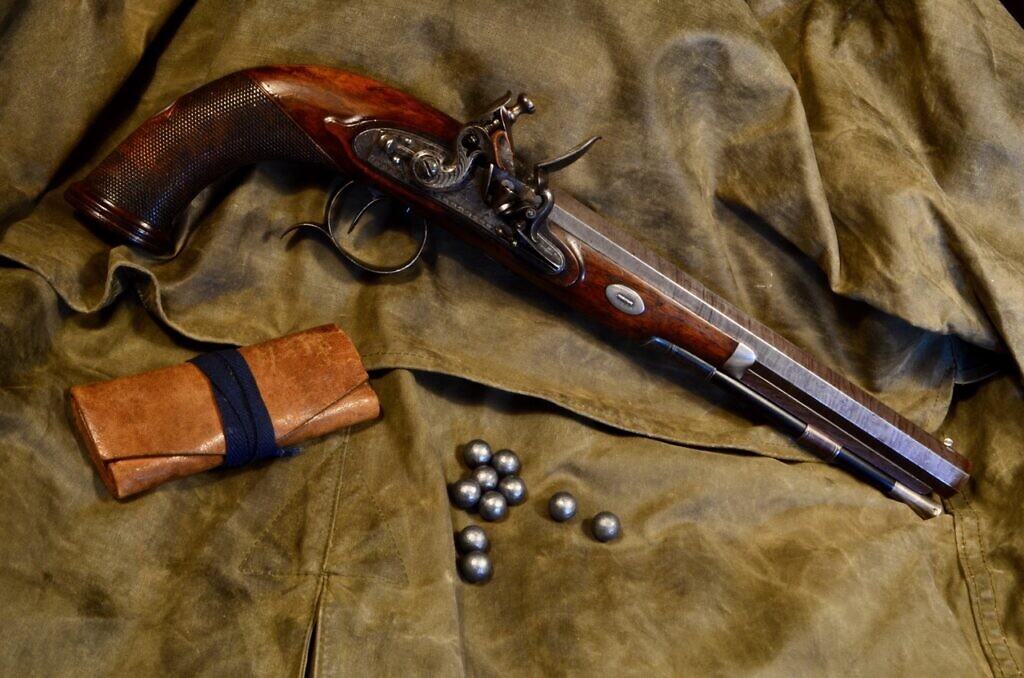
They arrived at the house, a gloomy pile in darkest Cornwall, crouched and brooding in the slanting January rain. Stanford does not say what he was expecting when he entered, but he does say what he found: “The house itself was so full of pictures and lovely old things, from furniture to books, that I almost forgot the purpose for which I had come.”
Lovely old things.
Ah, yes. We know exactly what he meant with no further elaboration of precise nouns or colorful adjectives.
Of course, those three evocative words can be applied to any number of things, from delicious great-aunts to chewed-up fishing lures — and, of course, shotguns and cleaning rods and smoke-darkened gun racks.
Like Michael Williams’s insistence on maintaining the arcane traditions peculiar to his own small estate in Cornwall, a reverence or even just a vague liking for old things stems from the same cubby hole, deep in the human psyche.
It’s more than a little strange in the great age of “now-ism,” with the mob determined to tear down anything they don’t understand or think is just wrong by today’s very questionable standards, that people are willing to spend real money having their DNA tested to find out, down to the last distant ancestor, whence in the Olde Worlde they originated.
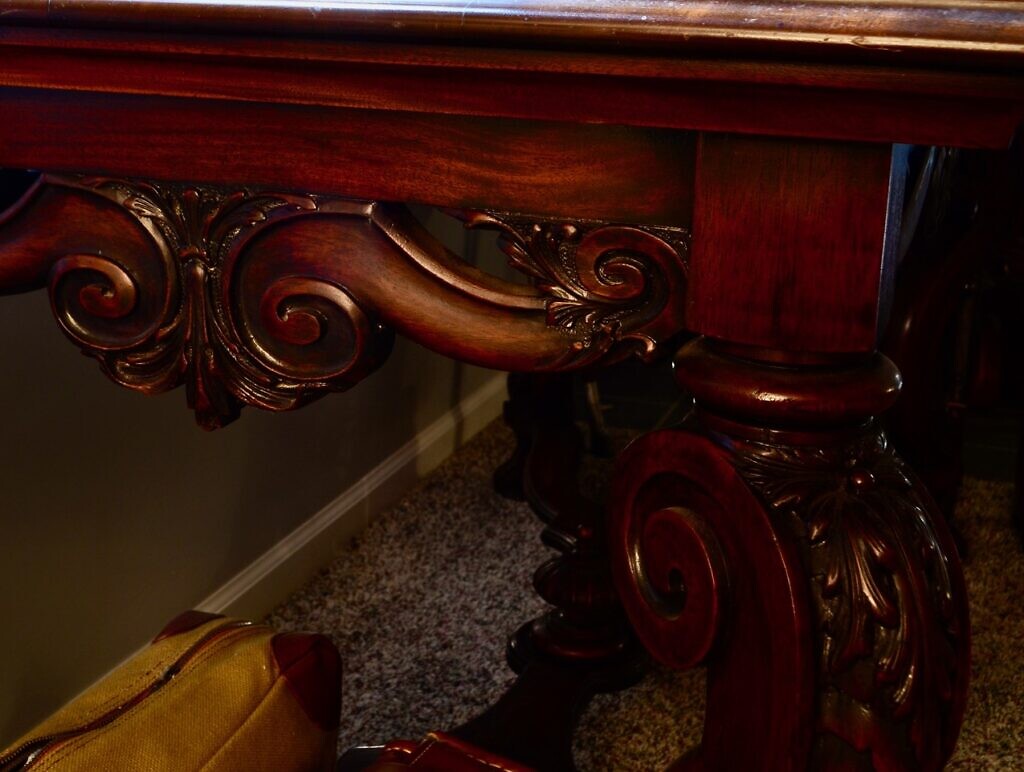
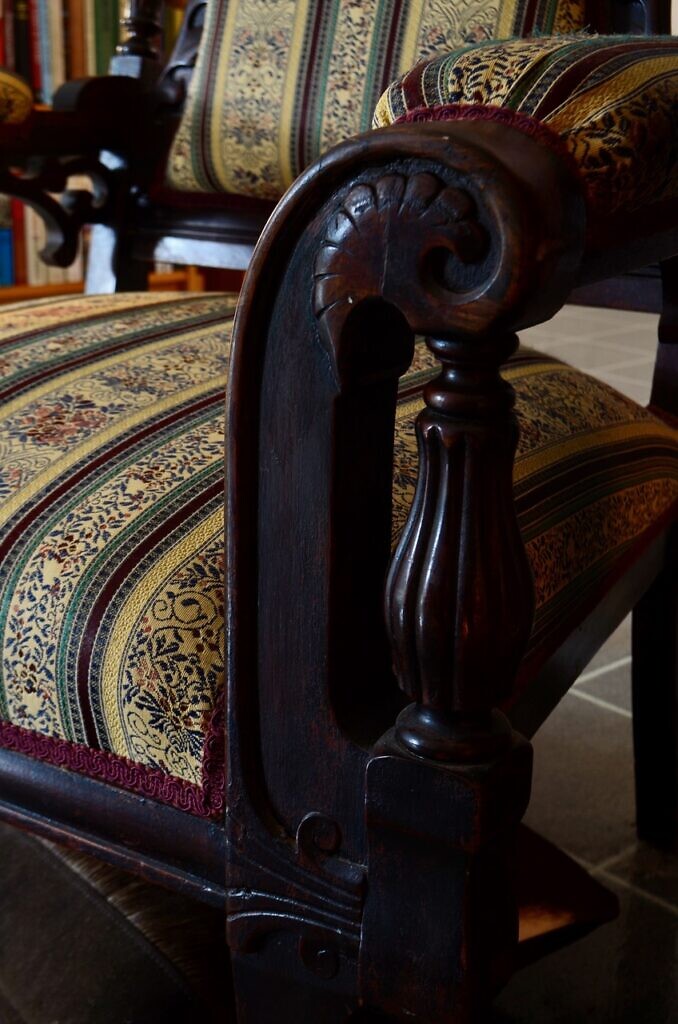
This suggests that the destructive antics of the now-ists are seriously at odds with a very natural human desire to find out who, exactly, we really are. And, once discovered, to preserve that knowledge, in aspic as it were. And, further, to tell visitors what we are about through something as simple as the table on which we serve their tea, the chair upon which they perch to sip it, and the chipped Limoges from which it is sipped.
As it turned out, Stanford did pull himself together sufficiently to take part in a number of woodcock drives. These involved Williams’s farmer-neighbors, who’d known each other from childhood and spent much of the down time between drives discussing what happened when they drove this covert a year ago, or five, or ten years ago.
It may be coincidence that Tintagel Castle is located in Cornwall, not many miles from Lanarth. According to legend, Tintagel was the actual seat of King Arthur, with his Knights of the Round Table, nowhere better depicted, to my mind, than in Wagner’s mystical Parsifal or, less exalted, the 1981 movie Excalibur. The movie paid homage to Parsifal in using some of Wagner’s music in its score.
Among English folk, Cornishmen have always been distinctly apart, what with their own ancient language, their tin mines, and their wreckers luring doomed ships onto the rocks.
Reading Stanford’s description of the ritualistic gatherings of woodcock drivers and guns, and later reliving the day in the great hall, to count birds seen, and birds flushed, and birds collected, all to be preserved for posterity, the meeting proceeding with great formality and ancient ritual — well, maybe it’s not coincidence, given the proximity of Tintagel and Arthurian legend.
Mayhap I’m reading too much into all this, but then it’s a rainy October morning, the doves aren’t flying, and there are no ruffed grouse in the Ozarks anyway. So I have nothing better to do than read Stanford and occasionally look up to cast my eye on the many “lovely old things” that surround me.
Many — most — are not heirlooms. They did not pass down through my family. In fact, several were acquired from people for whom they were heirlooms but, moving into smaller quarters in old age, wanted to find “a good home” for their family treasures. Chairs, library tables, a lamp, a sword. And any number of books, including Stanford’s The Wandering Gun, which contains the anecdote quoted above, and which was given “to David” for Christmas in 1961.
Who was David? Did he live in Wales, whence this book was purchased via Abe Books, some years ago? And did he shoot woodcock?
That we shall never know. But isn’t it nice to think so?
One advantage of growing older is that lovely old things — all of them — are that much more attractive, although our shooting editor would not claim to be one himself.