by Scott Sadil
It’s not as difficult as it might seem.
Arriving home yesterday following a three-state, 1,700-mile trout bender, I patted myself on the back for having somehow managed, without hardly trying, to avoid spending a single moment or mile on a freeway or interstate. Instead, I had passed even the longest legs of the trip on portions of some of the old two-lane US highways that remain, in my mind, the best way to see the West – and sidle up to fine trout fishing, besides.
Sections of these highways, of course, have been subsumed by today’s interstate system – called freeways where I grew up – those no-stop multi-lane thoroughfares built for Point A to Point B efficiency, regardless of the shape or contour of the land. Our original crosscountry highways, on the other hand, went from town to town, not just city to city, and as they often traced the same route people had used before the advent of the automobile, they tended to follow rivers and streams, holding to specific watersheds, generally not the shortest or most direct route as the crow flies.
But what’s efficiency got to do with trout fishing?
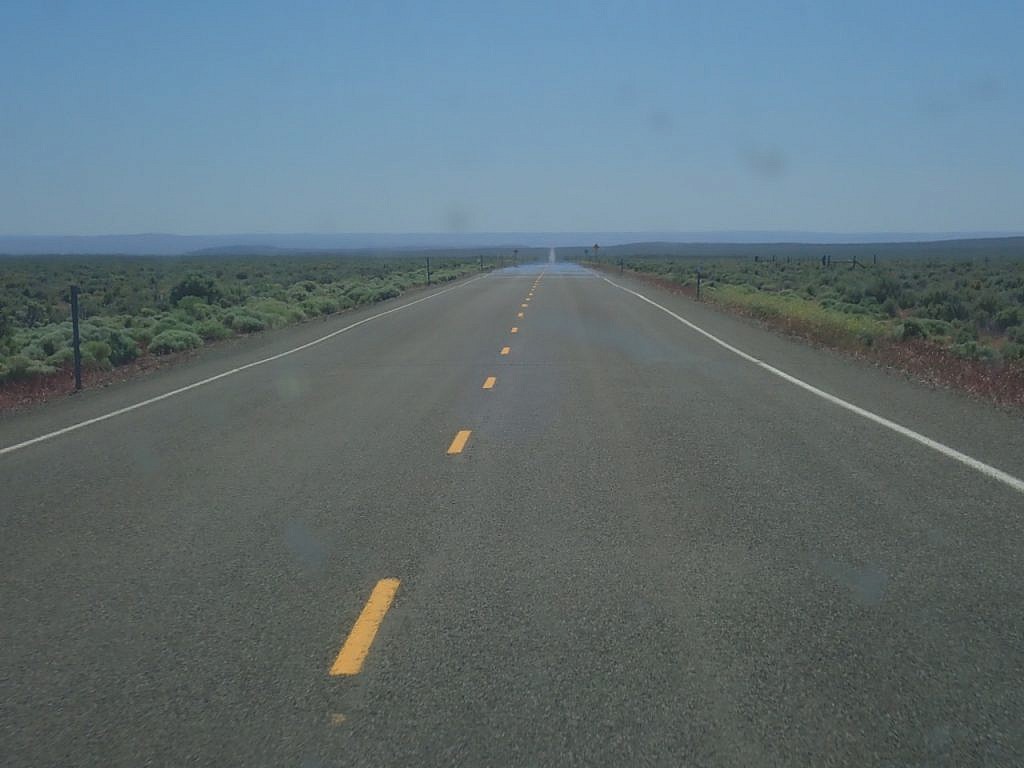
Without giving away too much, let me just mention a few favorite trout highways, roads that will not only lead you to fish, but will offer the opportunity to slow down, to see the lay of the land and appreciate, one hopes, the creatures that reside there – all of it contributing to a state of mind, I would argue, that can help you catch more and better trout.
US 20: Like all of the highways with “0” as the last digit, this is a coast-to-coast route, in this case the nation’s longest road, 3,365 miles, from Boston, Mass. to Newport, Oregon. This one’s pretty obvious: Get off the freeway and US 20 takes you to so much good trout fishing it’s almost impossible not to use it if you’ve been fishing in the West.
US 26: From Ogallala, Nebraska, to Seaside, Oregon, long segments of this highway follow the original Oregon Trail. That should be reason enough to interest anyone. Although 20 often links up with 26, the places the two routes separate are, for the trout angler, significant. My advice? Do as Yogi Berra said: “When you come to a fork in the road, take it.”
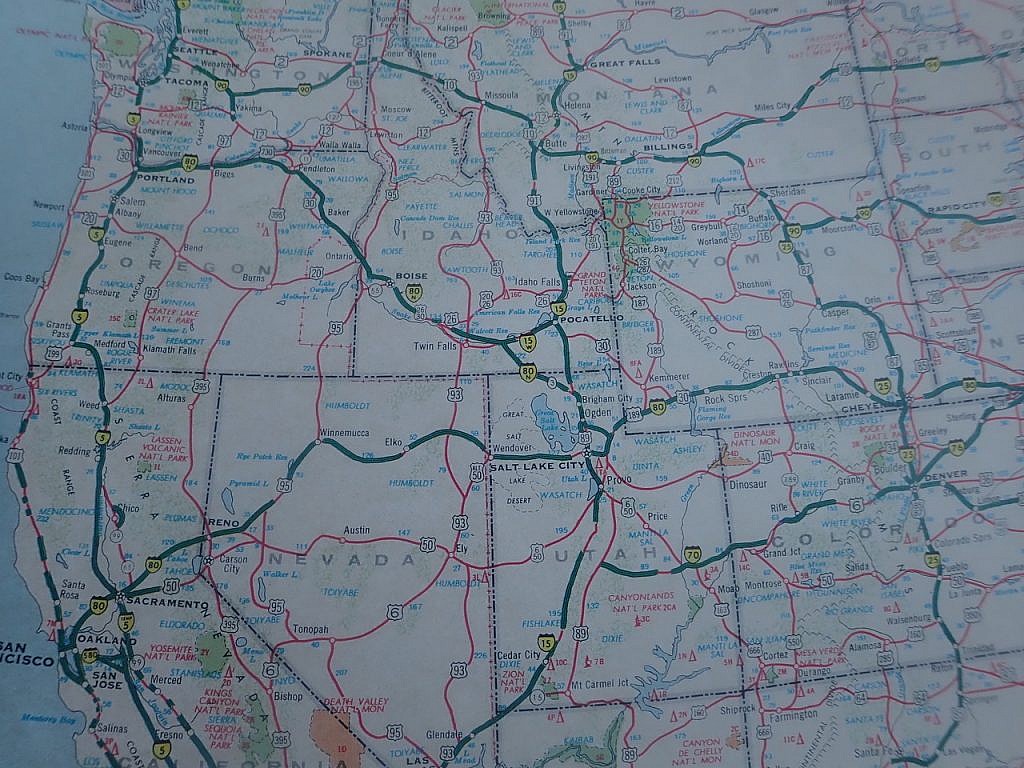
US 12: I like 12 because, except for a couple of stretches in Montana, it doesn’t join a freeway or any other numbered highway. An approximation, in certain segments, of the route used by the Lewis and Clark Expedition, 12 offers a fresh perspective on the Continental Divide, the true division between the West and the Midwest and the fish that originally inhabited these different drainages.
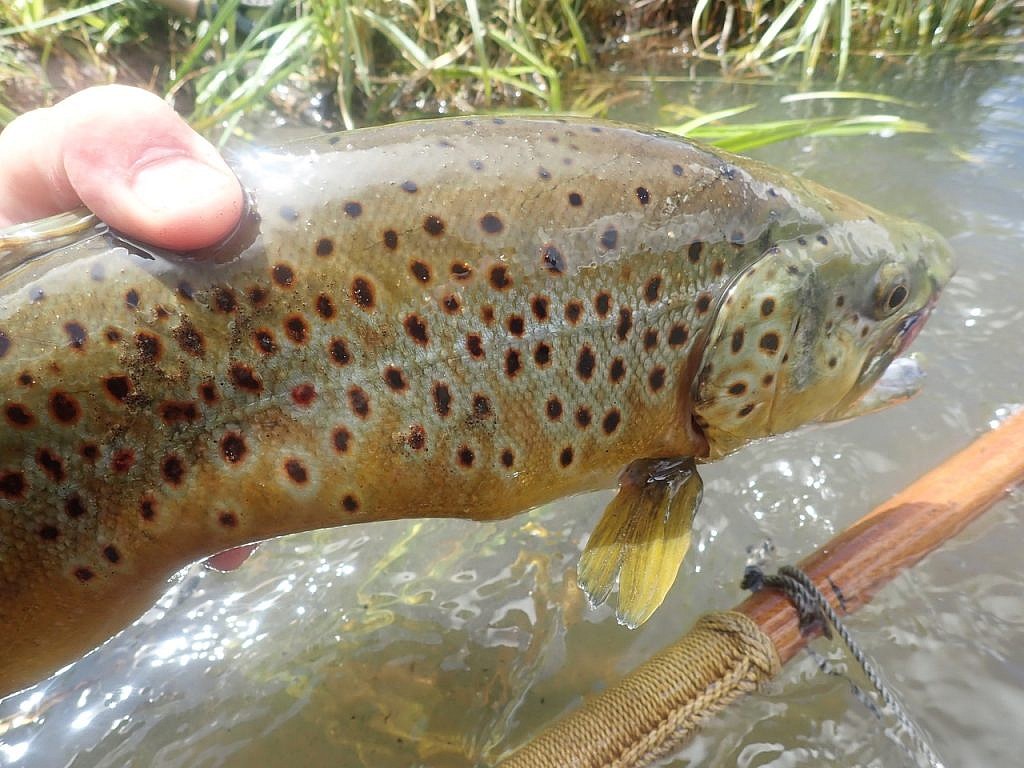
US 6: Although 6, also known as the Grand Army of the Republic Highway, in honor of American Civil War veterans, hasn’t meant as much to me since I escaped California, where the highway ends, it can still lead you to interesting trout fishing. A so-called “diagonal route,” it doesn’t follow a major transcontinental corridor. Perhaps the best description comes from George R. Stewart, author of U.S. 40: Cross Section of the United States of America, who initially considered US 6 for his book but realized that “Route 6 runs uncertainly from nowhere to nowhere, scarcely to be followed from one end to the other, except by some devoted eccentric.”
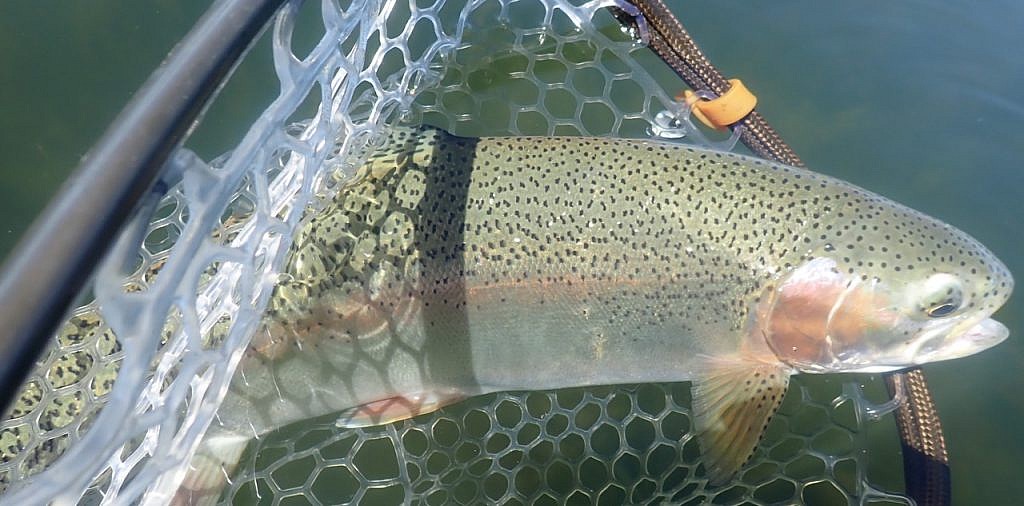
Or trout anglers.
Gray’s angling editor Scott Sadil is beginning to think that getting to and from good trout fishing is almost half the fun. Almost.