by Scott Sadil
I don’t necessarily like it. I really don’t. But one of the pleasures of finding yourself alone on a fishing trip, wandering about, looking for trout, is that you end up with plenty of time to read, rather than listening, say, to your buddy tell you again about fooling twenty fish over twenty inches, while you were at home trying to concoct a clever way to explain the edifying gifts of getting skunked.
Actually, it’s almost embarrassing how much I can end up reading on a solo road trip. The important word here is road, meaning that I’m traveling by car or truck, able to carry a library worth of reference books, field guides to birds, wildflowers, trees and geology, plus whatever else has shown up on the dining room table of late, whether fiction or history or, to repeat, whatever.
Couldn’t all of that be carried, instead, inside an electronic device? Well, yes, it could be – but I’ve had at least three Kindles fail me in the field or on a boat, assuming, incorrectly I guess, that they should be as durable as a senior citizen. I finally gave up on Kindles once and for all when, while exploring Mag Bay in Madrina, my double-ended beach yawl,and reading Cloudbursts, McGuane’s collection of short stories, the device suddenly began skipping over paragraphs and long passages each time I tried to “turn” the page.
As for phones, the thought of reading Jim Harrison on that little screen seems absurd, as if drinking champagne out of a Sippy Cup.
Reading on the road, of course, should be like fishing — a balance between old and new, a chance to discover untried waters, so to speak, as well as revisit places known and loved.
Which is sort of how I ended up delighting in a bunch of Timothy Egan books last week, while I wasn’t trying to fit some good trout into an undersized net.
I always feel a little sheepish when I finally come upon an acclaimed writer who has been working for decades, but whom I’ve somehow managed to keep at arm’s length over the years. It’s as though somebody says to you “What? You’ve never fished the Mother Dog Hole on the Rio Bueno Bueno?” I was like that with Peter Matthiessen. Yeah, yeah, I’d think, The Snow Leopard is groovy. But then I read Far Tortuga and Men’s Lives, and come Killing Mister Watson, the first book in Matthiessen’s great Shadow Country trilogy, it was all over. I reached for everything he’s ever written.
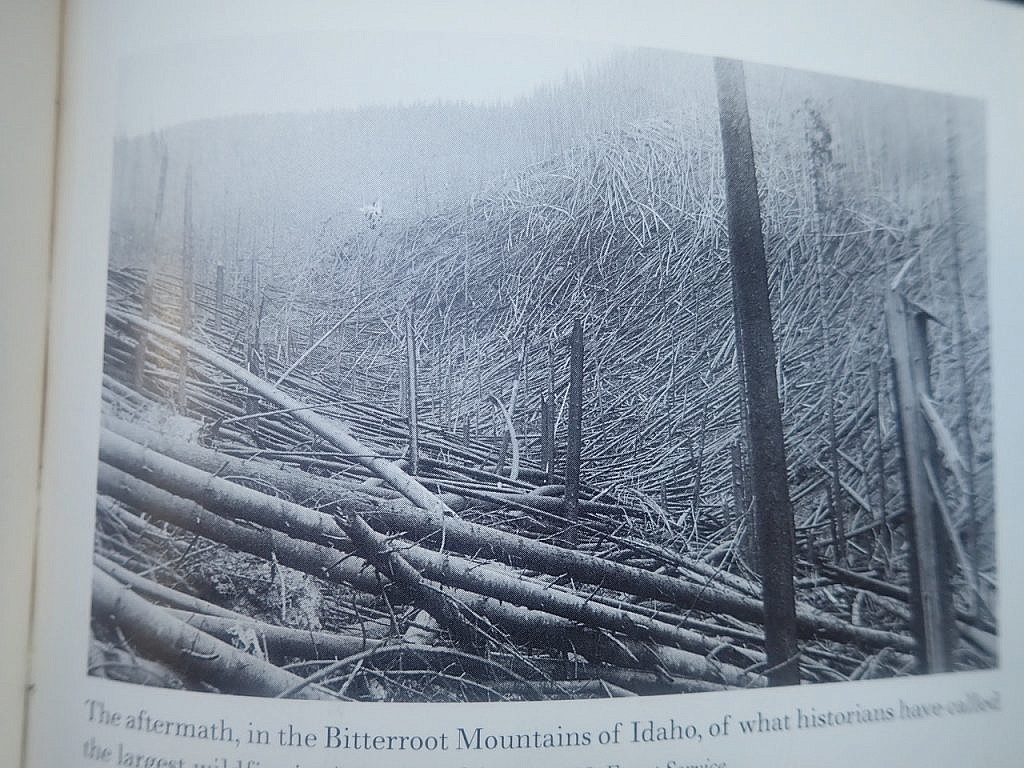
Who knows if that will happen with Timothy Egan. I haven’t even looked at The Worst Hard Time, his account of the Dust Bowl, “the nation’s worst environmental disaster,” that won him a National Book Award for nonfiction in 2006. Instead, I first stumbled upon The Good Rain, as good an introduction to the Pacific Northwest, short of Kesey’s Sometimes a Great Notion, that you can find, a region that’s been my home base for angling the past thirty-some years.
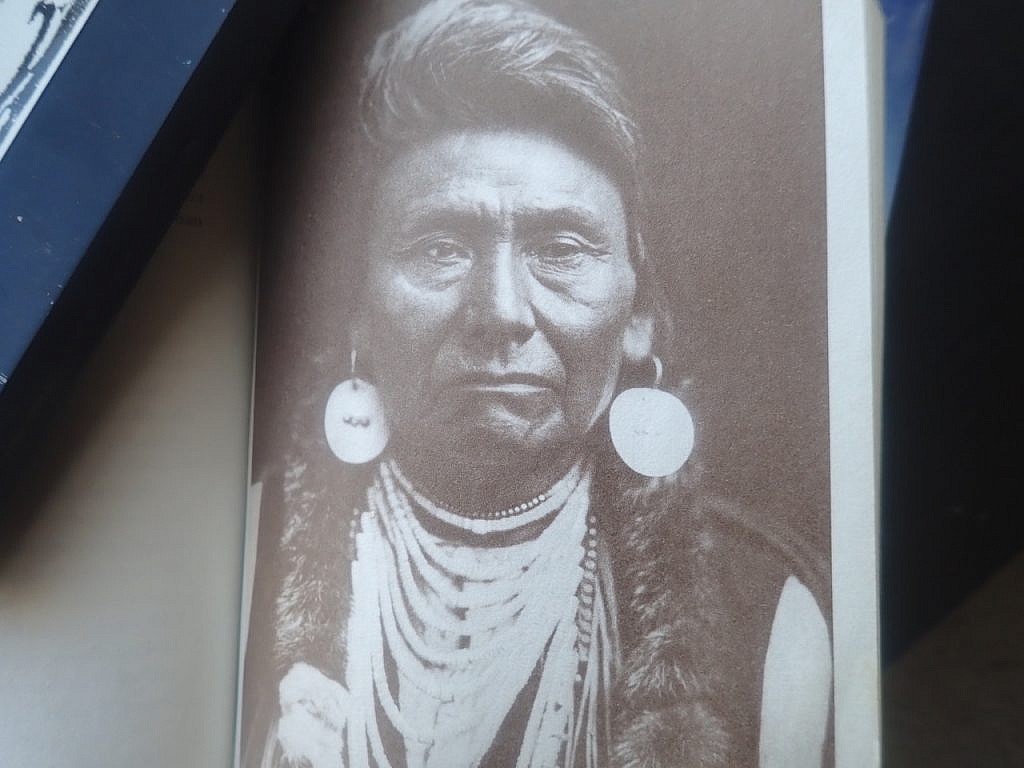
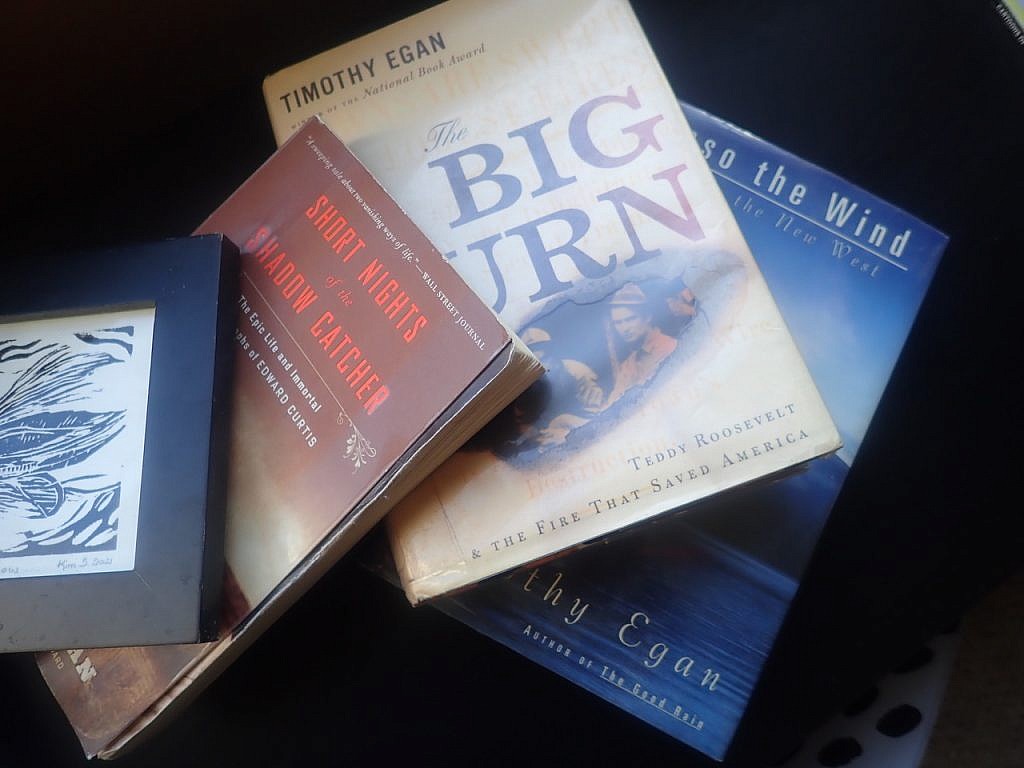
But there’s more, a lot more. In books such as The Big Burn, Lasso the Wind, and Short Nights of the Shadow Catcher, Egan’s biography of the heroic life of Edward Curtis, we are treated to vibrant portraits of both the people and places that reveal the true character of the West, a unique territory perpetually at odds with proponents of so-called progress, the spiritual zealots and greedy robber barons and political scoundrels, to name just a few, who even today attempt to degrade the fragile gifts, including fish, with which the region was originally and remarkably endowed.
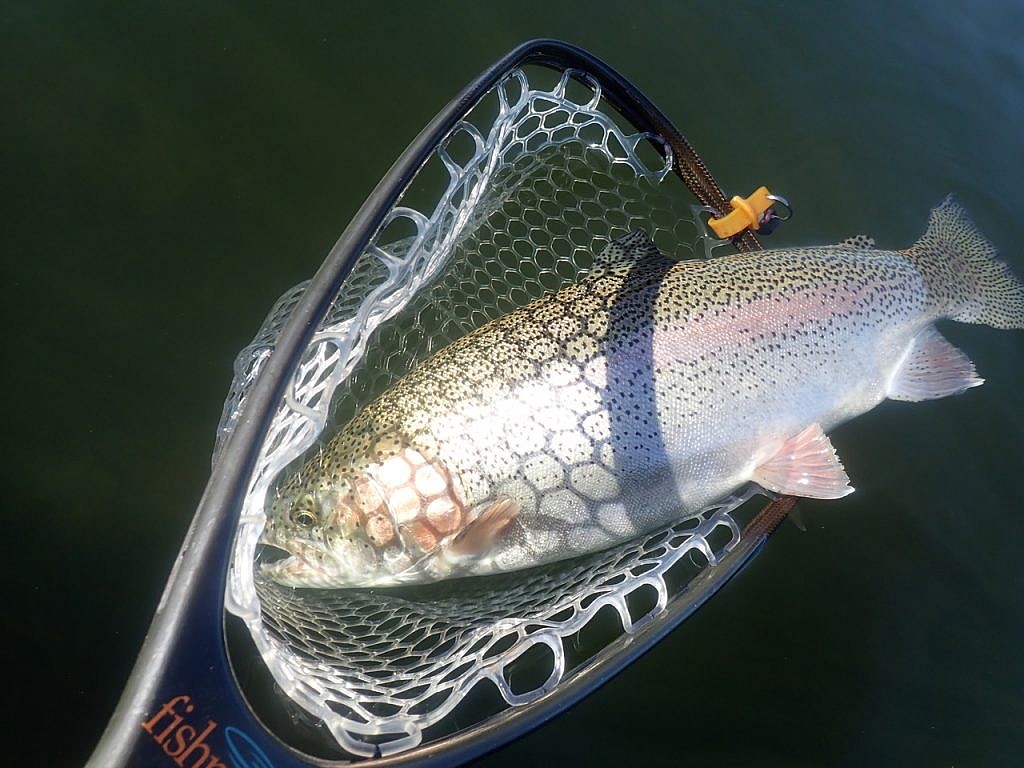
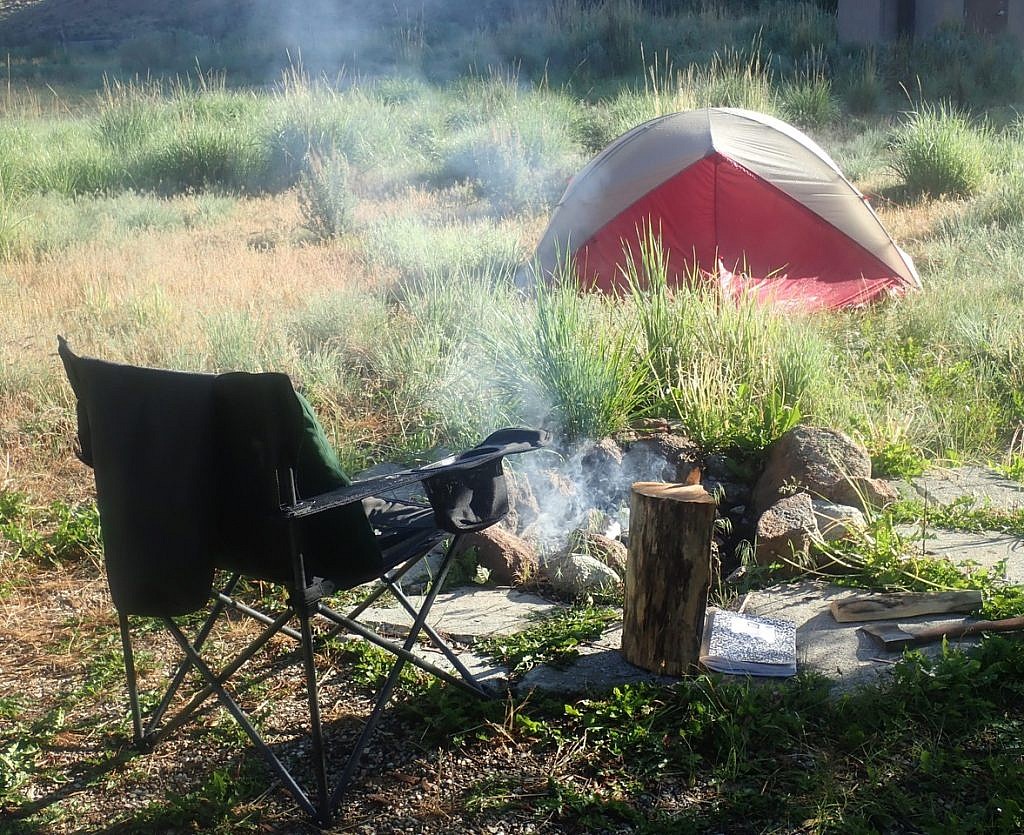
Somehow it seemed only appropriate to be reading Egan while camped out in a remote corner of Nevada, waiting out thunderstorms between bouts with big hungry trout. Better still, no internet signal to be found, so that reading and fishing were about all there was to do, even if it meant I wasn’t able to report to my friends, online, what I had fixed for dinner and other significant news from my fabulously rich and exciting life.
Gray’s angling editor Scott Sadil taught English in a public high school for twenty years. He was often asked by students what he did at night when he revealed he didn’t own a television.