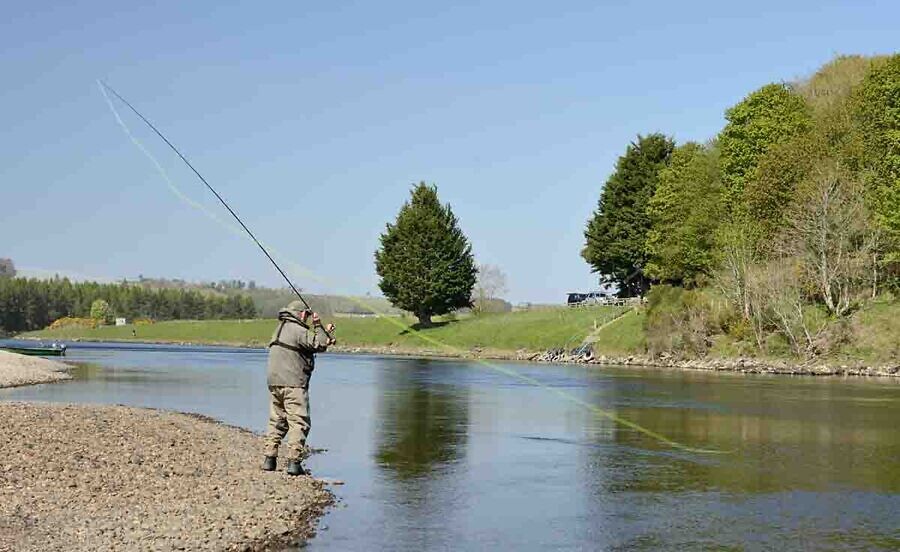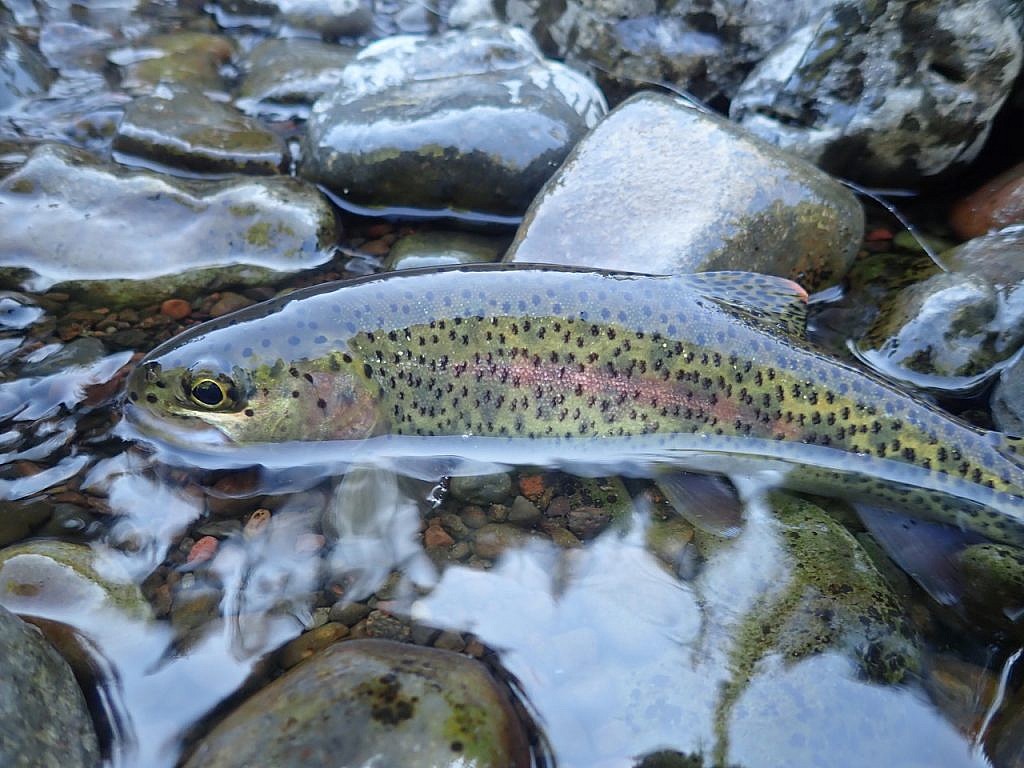
You’d be surprised, too: It’s not always as easy as it sounds—which makes that good fish, the one that ends up reaching from the butt of the reel seat to somewhere beyond the forward end of the cork, a trout to be proud of. I can still recall, forty-five years ago and counting, a genuine foot-long rainbow from Moose Creek, in southeastern Idaho, a fish that seemed entirely too big—and rambunctious—for such a tiny piece of water.
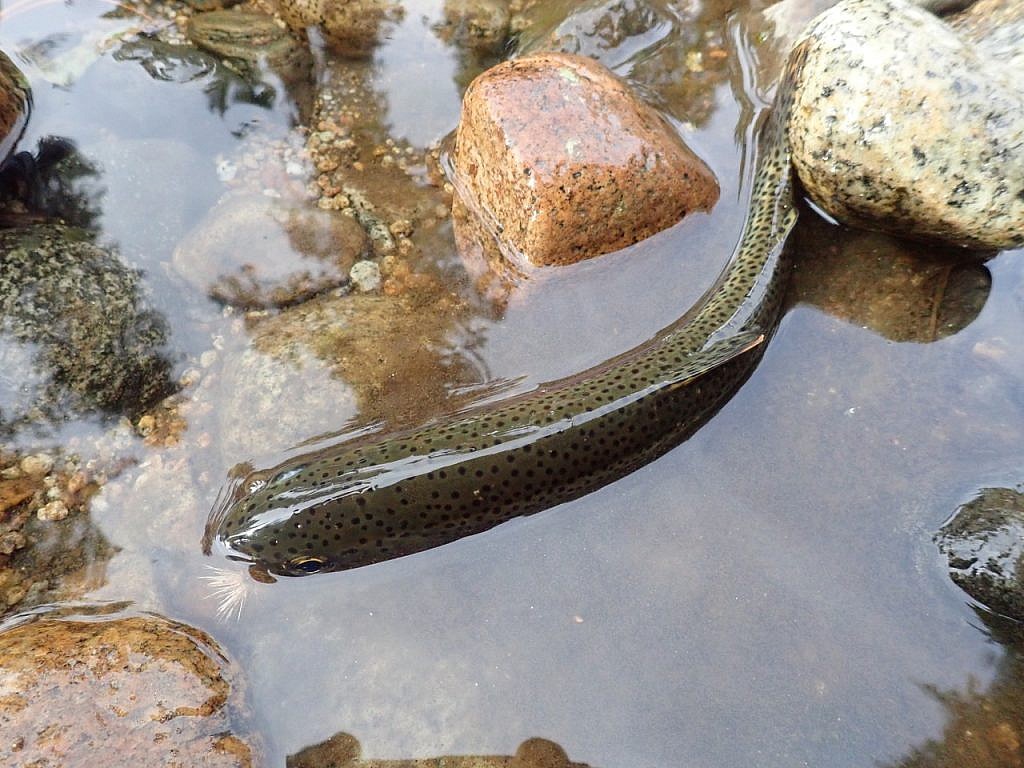
Set the stage, I guess, for the rest of my life.
Still, I’m anything but a hotshot angler. The truth is, however, the good fish do require a degree of finesse, a few tricks of the trade. Watch a neophyte fly angler attempt to negotiate a small stream, and you immediately notice the trouble he or she has, the time spent with the fly anywhere but that sweet spot, right there alongside the spilling current, at the top of the pool, that might actually elicit a boisterous rise.
To be frank, let me just say that when I happen to get a few good trout out of a little creek or stream, those nine- or even ten-inch fish in water full of five and six and seven-inch dinks, I feel grateful for the sport at hand—and evidence I’ve learned something over the years.
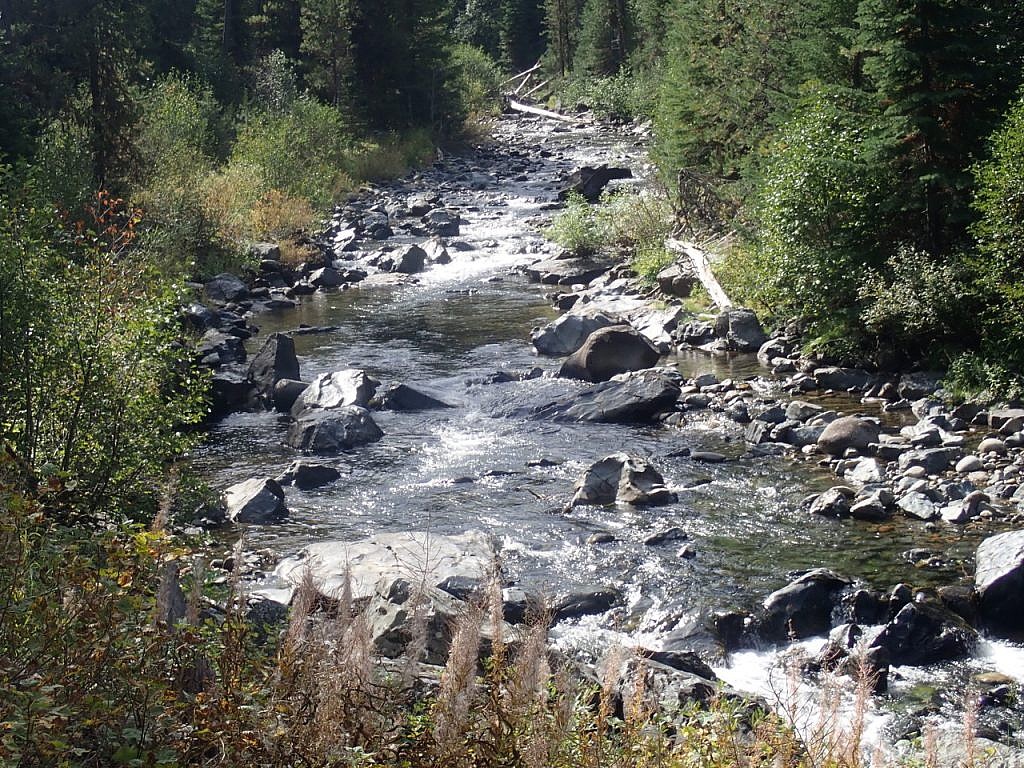
It’s good to imagine I’ll reach the end convinced I haven’t wasted my time.
Gray’s angling editor Scott Sadil likes to fish for trout wherever he can find them.