While busy Paimpont pays non-ending tribute to legend in every restaurant and boutique, the ”real” forest includes instructive remnants of the now deserted iron-forging villages whose furnaces already in 1656 fed off the Hardouinais and Paimpont forests; they even provided iron to the American Revolution! From as many as 2,000 souls in the early 19th century, it all came to an impoverishing end starting around 1860, with the introduction of mass produced steel.

In fact, Saint-Launeuc was a town on the path to desertification. Its population was 546 in 1793, and less than 200 today. Its school closed in 1988. Then the Domaine’s owner, René Ruello (b. 1949), brought his fortune and know-how home to his community. The son of a baker in Merdrignac—a town still clinging to its last shops, last bread makers and butcher/traiteurs—whichis just down the road. A former professional soccer player, then industry builder of ready-to-bake goods, and now owner of several of Brittany’s best eating establishments (including the one-star Michelin Moulin de Rosmadec in Pont-Aven), since 2009 Ruello has been “revving up the neighborhood,” creating jobs and buzz with seasonal events, like the Festival of Gardeners, at the Domaine whose restaurant and equestrian center opened in 2015. I suspect his real gift is spotting and giving light to the talented and dedicated individuals who run his carefully conceived and meticulously maintained operations.
With his limitless energy and force of character, gamekeeper Anthony Demay is the man for the job of managing the forest, including its stalking, driven hunting, and hunting on horseback—all practiced here by well-heeled hunters and local hunting clubs—ensuring that forest’s annual harvest of pigs, deer, and stag is safely and respectfully filled. Ruello has been vital in bringing back a forest resounding with hunting fanfares and braying dogs. When he learned that woodcock were being overshot by local hunters, he shut down their hunting for four seasons, and established a sustainable quota.

To follow a venery hunt for wild boar in the Domaine on YouTube, search “Semaine de la vènerie à la Hardouinais.”
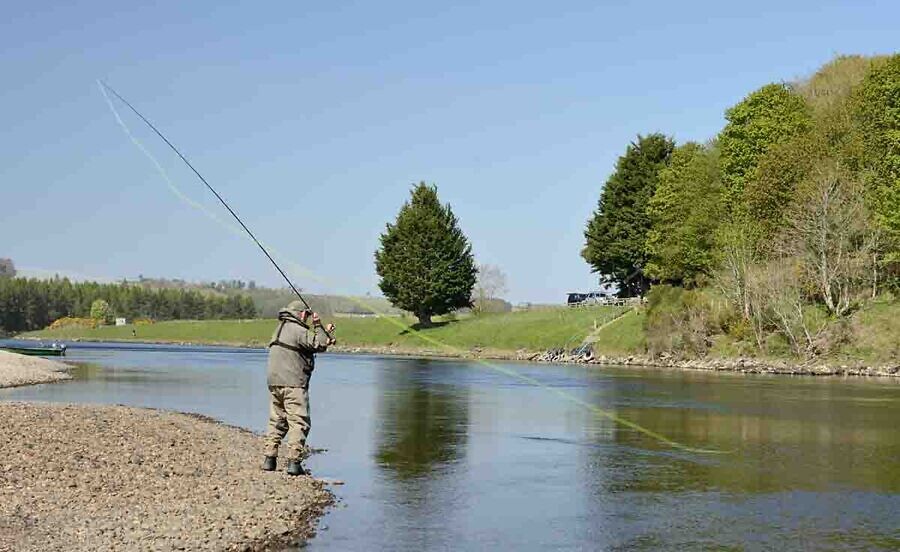
For sport fishermen, Ar Duen offers some 290 hectares (120 acres) of water spread over five ponds in the quiet of the forest; a single road crosses the Domaine. Ar Duen offers catch-and-release fly fishing of pike, perch, and zander, with guides and well equipped boats, or wading, or fishing from a floating tube. Fishing, for never more than six sportsmen at a time, is from May to January. The guides can either lend you equipment or advise what to bring. Pricing is based on two days fishing and one overnight, either in the sporting chalet or hotel, with packages including meals and wine. On the opening day of perch fishing, we met a group of happy and well fed sportsmen who’d caught up to nine fish each. (www.lepoissonvoyageur.fr)
As for something to remember, Ruello also recognizes the talented artists who find their calling in the forests here, especially in the hunt.

Working in the lost wax tradition of 19th century animalier artists, painter and sculptress Catherine Noël’s award-winning bronze and silvered bronzes sensitively depict eager hunting dogs, attentive horses, and elegantly poised woodcock hinting at motion. Her signed and numbered editions of 12 can only bring joy. (www.catherine-noel.com)