by Scott Sadil
Do we ever get it right?
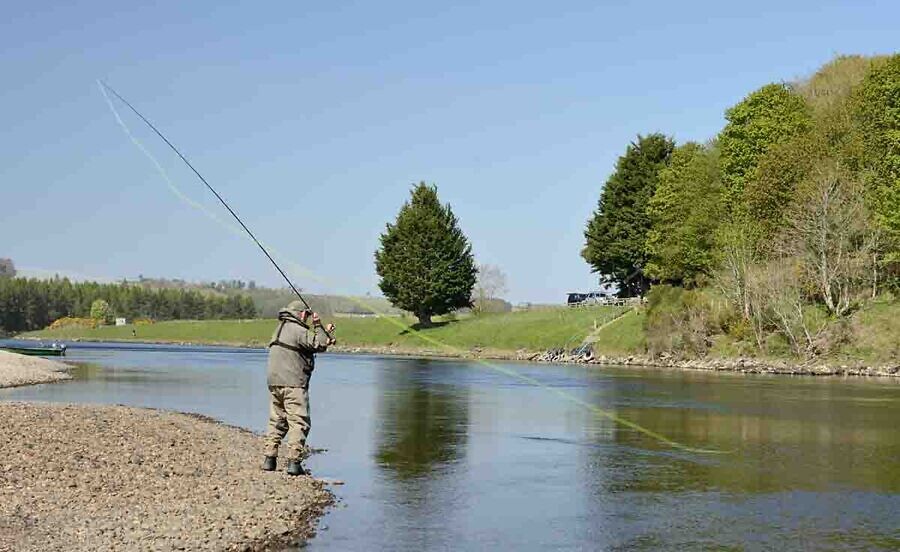
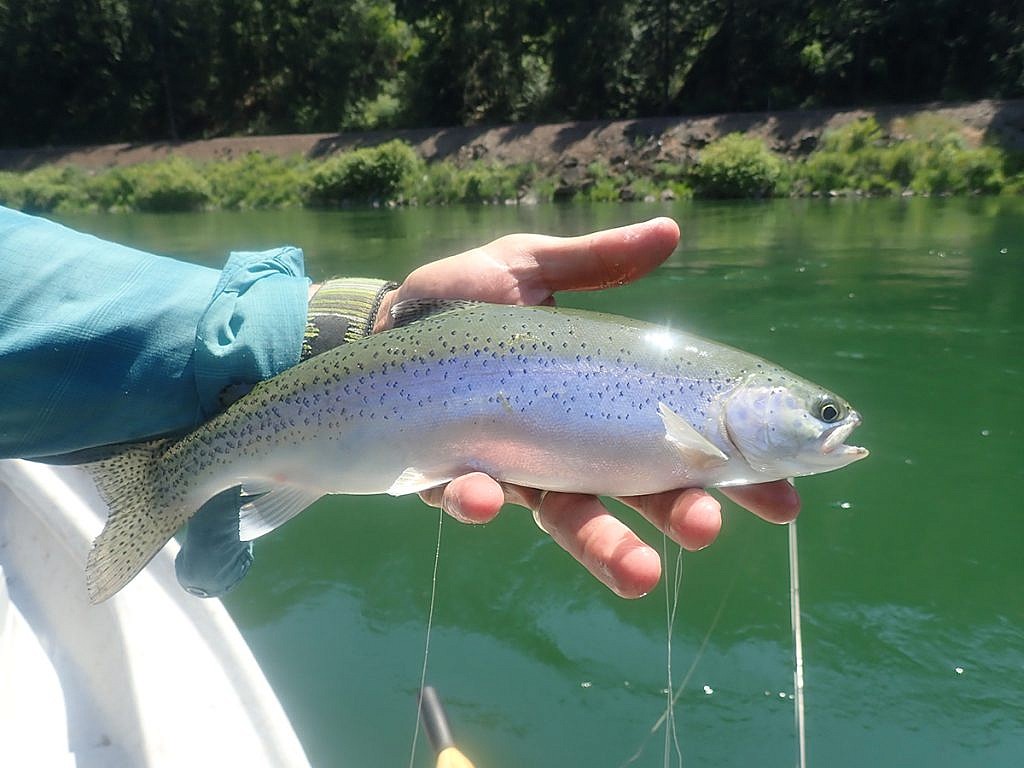
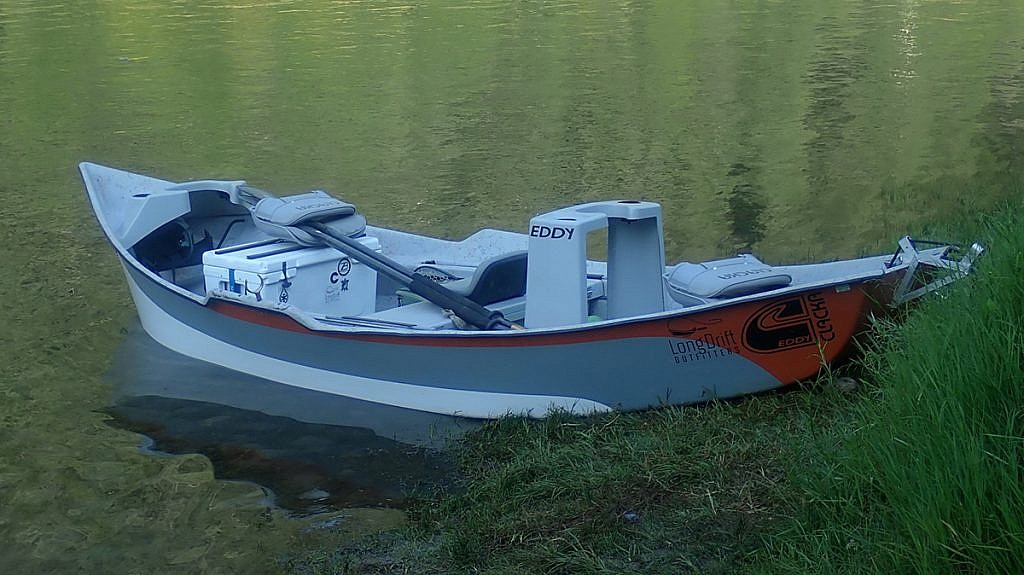
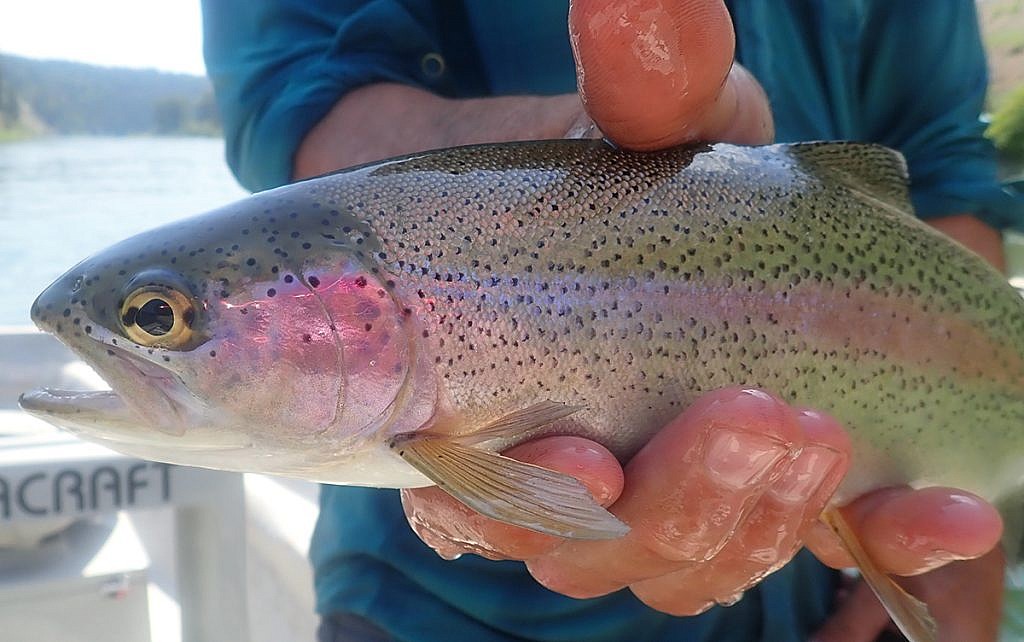
Up on a new section of the Kootenai, new for me that is, I was delighted recently by the health and abundance of the native redside rainbows during a float with Aaron Gordon, head honcho at Long Drift Outfitters, a low-key but efficient operation making life easier for visiting and local anglers in northernmost Idaho.
Dam managers upstream in Libby, Montana, had released a big push of water during the night, an unexpected response to early summer rains, and although the change in flow and water level that caught up with us mid-morning might have made us switch over to nymphs sooner than we both would have liked, the trout were still there, still feeding, and from all I could tell, we had the fish and the river more or less to ourselves.
One of the things that seems to be working on this section of the Kootenai (spelled Kootenay when it’s in Canada), a big river that swings back and forth across the international border before finally joining the upper Columbia River near Castlegar, British Columbia, is a series of water enhancement stations that pour measured amounts of nutrients into the river, a need fishery managers devised in response to completion of the dam in Libby in 1972.
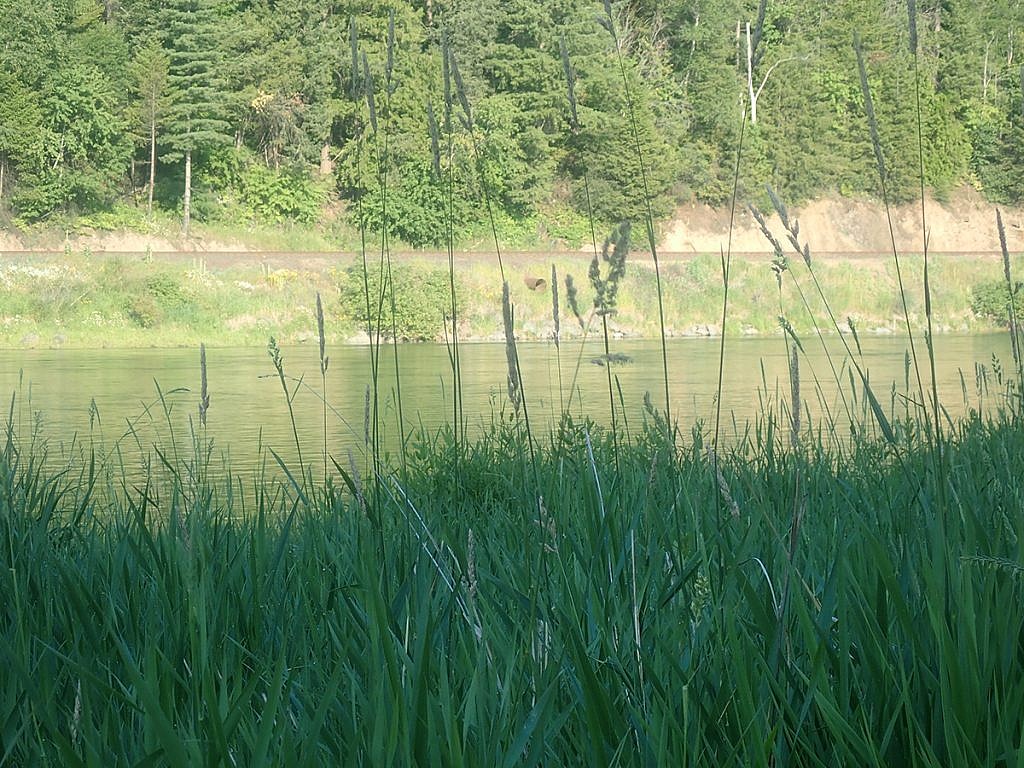
Once prone to dramatic seasonal fluctuations, the river, post-dam, no longer received an annual influx of nutrient-rich sediments during spring and early summer run-off. Water released from the dam was clear and cold, the way trout like it, but it was also relatively sterile, deprived of the nutrients necessary for the abundance of macro-invertebrates, what most fly anglers call bugs, on which vigorous trout populations typically feed.
With all due respect to Idaho Fish and Game biologists, whose nutrient enhancement project was funded in large part by the Bonneville Power Administration, our longtime friend of dams throughout the Pacific northwest, I think a 2002 rule change in fishing regulations may have also contributed to the current good fishing. Today, no rainbows or cutthroats under sixteen inches can be kept. Nobody in his or her right mind turns a nose up at a fifteen-inch trout, which was just about the size of the better fish I caught while floating with Gordon, who claims a lot of trout he nets for anglers are a half inch under the sixteen-inch mark, but wider than he’s seen in the past.
Meanwhile, as coincidence would have it, on the very same day I was fishing an Idaho reach of the Kootenai, a new documentary on the lower Deschutes River, my home river, was being premiered in Portland, Oregon.
The film, The Last 100 Miles, deals with changes in the health of this great river since another dam-friendly power company, Portland General Electric, began fussing with the water passing through one of its three dams on the river, a hundred miles upstream from the mouth of the Deschutes where it enters the Columbia.
The film makers, working closely with the Deschutes River Alliance, a coalition of scientists and anglers and other advocates for the health of the Deschutes, make the well-documented claim that ever since PGE changed the flows at Pelton Dam, a move that was supposed to aid the outriver migration of anadromous salmonids, the water quality of the river has fallen off dramatically. Warmer temperatures, increased nutrient loads from upstream agriculture, more algae, fewer insects, more disease-carrying snails – too name just a few of the alliance’s concerns – all contribute to an assault on the river and its famously exuberant native redside rainbow trout.
PGE, not surprisingly, claims otherwise.
I’d like to think I have as much right as anyone to get in the middle of this debate. But at this stage in my long angling career, I try to steer clear of these messy waters. Maybe the Kootenai, in Idaho, is working for trout and trout anglers despite the dam and the nutrient feeding stations. Maybe the Deschutes, like so many famous Western rivers, became an enhanced artifical tailwater trout fishery when the dams were put in place, and the current degraded water quality reflects seasonal fluctuations that existed before the dams were built.
Maybe the dams, like upending native soils, started us down a path from which true recovery is unlikely at best.
Complex systems demand complex solutions. No wonder we have trouble getting it right.
This year Gray’s angling editor Scott Sadil celebrates the 50th anniversary of the only poem he ever published, “I-5 South.” The first line, if he remembers correctly, reads “From the freeway you can’t tell the good guys from the bad.”